Blog
The Role of Typography in Web Design

More Blogs
The typography of a website is one of the most important elements of its design. It is the visual representation of the website’s content and sets the tone for the overall look and feel of the site. Typography can make or break a website, as it plays an integral role in the user experience – just as much as other elements such as navigation, color, and images do.
Believe or not, the web is still primarily a type medium.
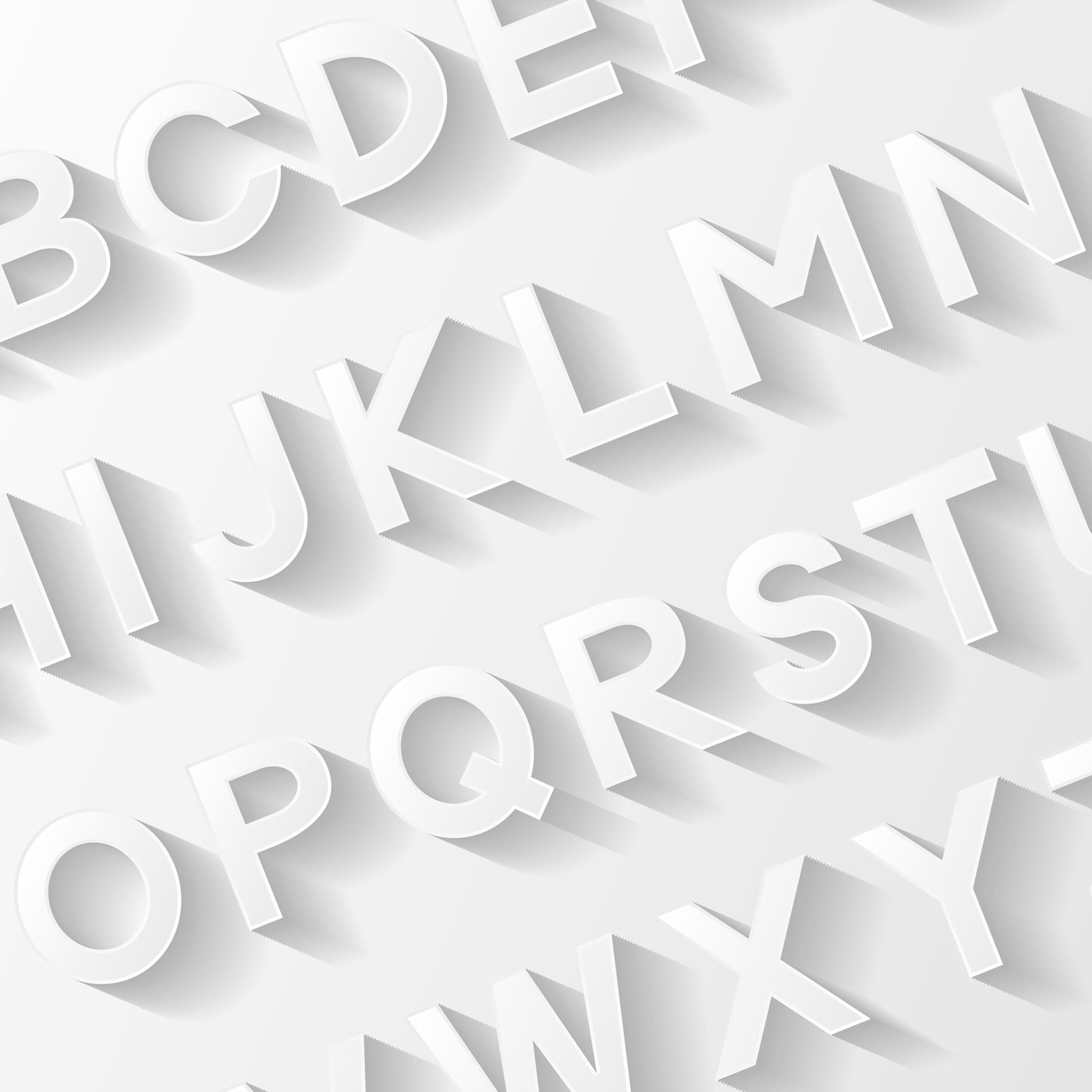
Typography is the art of designing and arranging typefaces, fonts, and text in a visually appealing manner. It involves the careful selection of font styles, sizes, colors, and spacing, as well as the placement of text on a page. In web design, typography is especially important because it is the primary way that users interact with the content on a site. It is how users read and absorb information, navigate the site, and interact with the interface.
In fact, the web is still primarily a type medium, despite the prevalence of images and videos on websites today. The majority of the content on a website is still text-based, which means that typography is essential to the user experience. A well-designed typographic system can help users find what they are looking for more quickly, navigate the site more easily, and engage with the content on a deeper level.
One of the key benefits of typography is its ability to create hierarchy and emphasis. By using different font sizes, weights, and styles, designers can guide the user’s eye to the most important parts of the page, such as headlines, subheadings, and calls-to-action. Typography can also convey a sense of tone and personality, and can help to establish the brand identity of a website.
However, typography is not just about aesthetics – it also has a functional aspect. Good typography is easy to read, legible, and accessible to users of all ages and abilities. This means that designers need to consider factors such as contrast, line spacing, and font size to ensure that the text is clear and easy to read.
In conclusion, the role of typography in web design is critical to the success of a website. It is a powerful tool that can enhance the user experience, create hierarchy and emphasis, and establish the brand identity of a site. At the same time, it also has a functional aspect that is essential for accessibility and usability. So when designing a website, don’t underestimate the importance of typography – it can make all the difference.